When building an application, picking the right backend technology—and developer—is critical to your project’s success. Let’s break down Java and .NET to help you make the best choice.
When it comes to backend development, two giants dominate the space: Java and .NET.
Both have been around for decades and are loved by developers for their versatility, performance, and scalability. But how do you decide which one is the best fit for your project? And more importantly, how do you Hire Backend Developer for the job? Let’s understand and make this choice simple for you.
2.Why is the Backend the Backbone of Your Application?
The backend is like the engine of your application. While users interact with the frontend, the backend handles data processing, logic, and server-side functionality. It powers essential tasks like managing databases, ensuring data security, and maintaining server uptime.
If the backend isn’t robust, even the most visually stunning frontend won’t save your app from glitches, crashes, or security vulnerabilities. This is why choosing the right backend technology—and the right backend developers—is crucial.
Whether you’re building a customer-facing app, an enterprise platform, or a dynamic website, Java and .NET are two of the most trusted backend technologies. Choosing the right backend development company or backend developer will ensure your project is built on a solid foundation that’s scalable, secure, and reliable.
3.What is Java: A Backend Powerhouse
Java is one of the most popular programming languages in the world, trusted by companies like Google, Amazon, and Netflix. It’s a robust, object-oriented language designed to run anywhere—“write once, run anywhere” is its mantra.
Here’s why Java is a go-to choice for many backend projects:
- Write Once, Run Anywhere
Java’s platform independence means code written in Java can run on any operating system that supports the Java Virtual Machine (JVM). This makes it ideal for cross-platform applications.
- Scalability for Large-Scale Applications
Java’s robust architecture allows developers to build applications that can handle heavy traffic and large datasets without compromising performance.
- Security-First Approach
Java is known for its strong security features like encryption, authentication, and role-based access control. This makes it a preferred choice for banking, healthcare, and other sensitive industries.
Extensive Ecosystem
Java boasts a rich ecosystem of libraries and frameworks like Spring, Hibernate, and Apache Struts, which simplify backend development and improve efficiency.
Popular Use Cases for Java
- E-commerce platforms with high traffic (e.g., Amazon, eBay)
- Android mobile applications
- Enterprise systems like CRM and ERP platforms
- Big data solutions and machine learning applications
If these features align with your project needs, you may want to Hire backend developers who specialize in Java development.
4.Frontend Tools for Java Full Stack Development
- HTML, CSS, and JavaScript
- Essential building blocks for creating user interfaces.
- Provides structure, styling, and interactivity for web applications.
- Frameworks and Libraries
- Angular: A popular framework for creating dynamic, single-page applications.
- React: Known for building fast and interactive user interfaces.
- Bootstrap: A CSS framework for responsive and mobile-first designs.
- Thymeleaf
- A Java-based template engine often used with Spring Boot for building dynamic HTML pages.
- Vue.js
- A lightweight and flexible JavaScript framework for building user interfaces.
5.What is .NET: The Enterprise Favorite
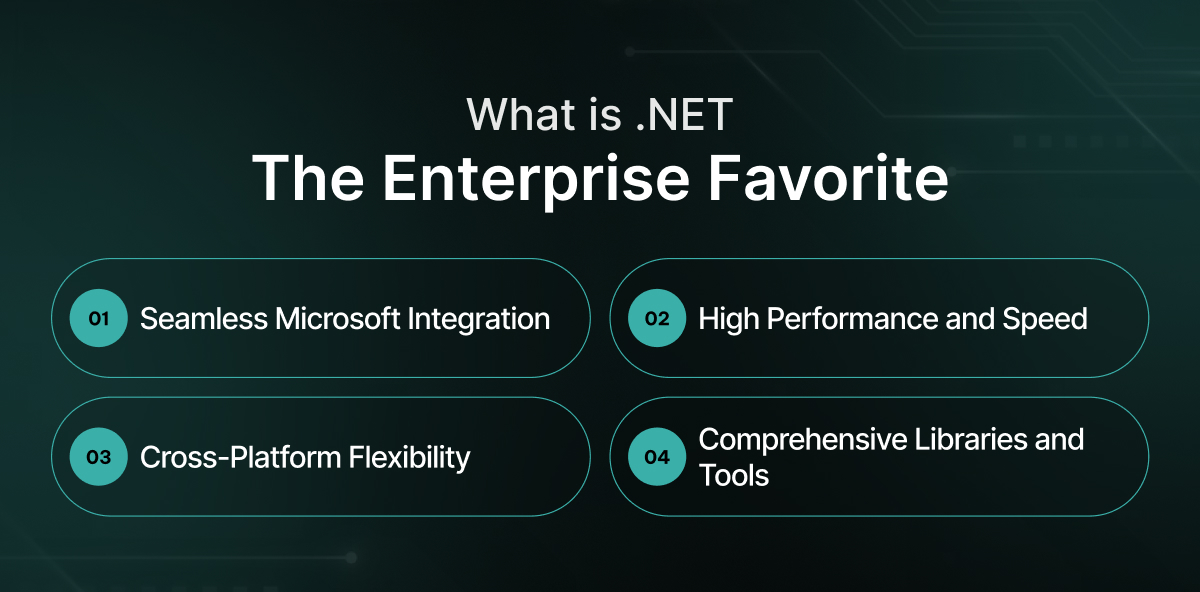
Developed by Microsoft, .NET is a powerful framework that supports multiple languages, including C#, F#, and VB.NET. It’s particularly favored by organizations looking for seamless integration with Microsoft tools and services.
Why Choose .NET for Your Backend?
- Seamless Microsoft Integration
.NET integrates effortlessly with Microsoft products, making it an excellent choice for companies already using a Windows-based infrastructure.
- High Performance and Speed
.NET applications are optimized for speed and performance. The Just-In-Time (JIT) compiler improves execution time, ensuring applications run smoothly.
- Cross-Platform Flexibility
With the introduction of .NET Core, developers can now build and deploy applications on multiple platforms, including Windows, macOS, and Linux.
Comprehensive Libraries and Tools
.NET offers extensive libraries that simplify backend development and reduce the time it takes to build complex applications.
Popular Use Cases for .NET
- Enterprise solutions integrated with Azure or other Microsoft tools
- Cloud-based applications
- Real-time apps, like messaging platforms or multiplayer games
- Web APIs and microservices architecture
If you’re leaning toward this framework, look for a backend development company experienced in .NET development.
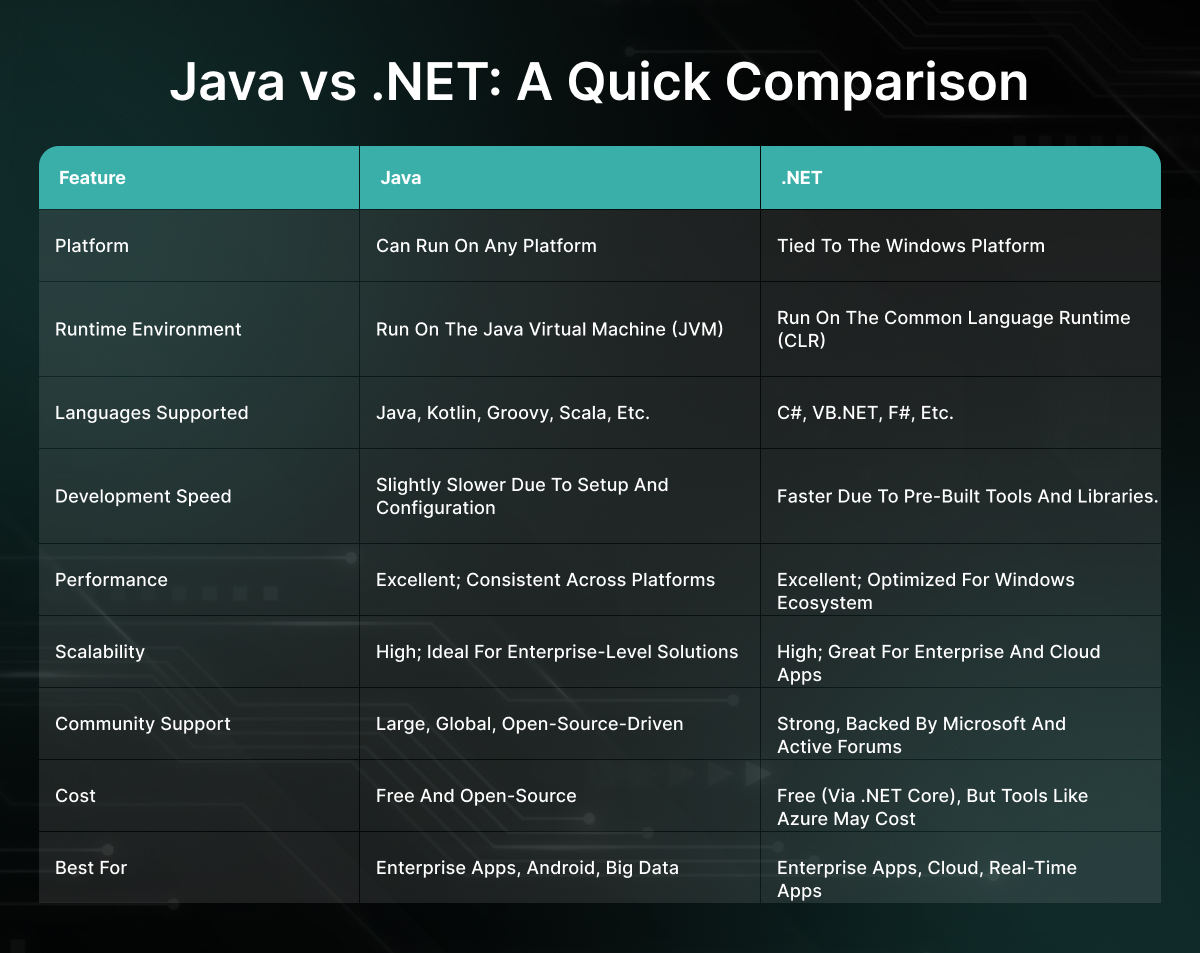
6.Java vs. .NET: A Quick Comparison
7.How to Decide: Factors to Consider
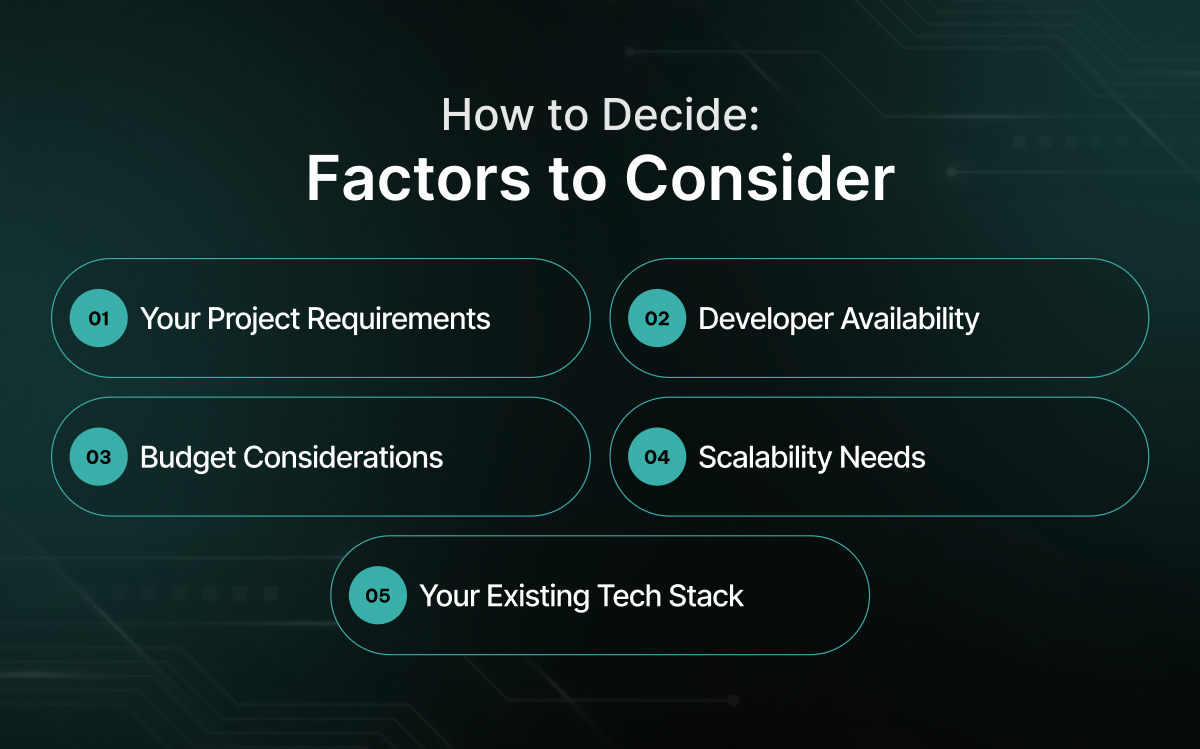
Now that you know the strengths of both Java and .NET, how do you decide which one fits your project best? Here are a few factors to consider:
- Your Project Requirements
If your app will run on multiple operating systems or devices, Java’s platform independence is a significant advantage. On the other hand, if you’re building a cloud-based solution or integrating with Azure, .NET should be your go-to.
- Developer Availability
Both Java and .NET have a large pool of experienced developers. However, finding the right expertise for your specific project is key. Partnering with a reputable backend development company can simplify this process.
- Budget Considerations
Java is free to use and open-source, which can reduce costs. While .NET Core is also free, you may incur additional costs if your project involves Azure or other premium Microsoft services.
- Scalability Needs
Both technologies excel in scalability. If you anticipate heavy traffic or large data volumes, either Java or .NET will deliver. The choice comes down to other factors like integration or performance tuning.
- Your Existing Tech Stack
If your company already uses Microsoft tools, .NET is a natural choice. Conversely, if you prefer open-source solutions, Java will align better.
8.Hiring the Right Backend Developers
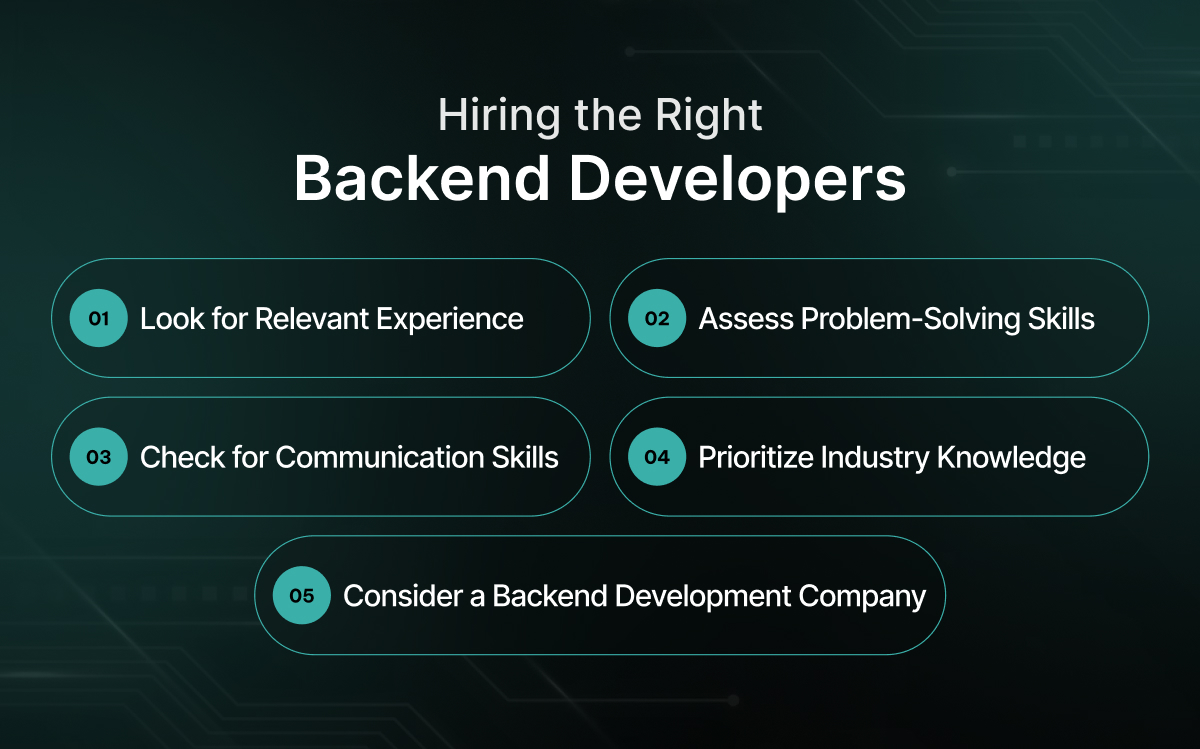
Choosing the right technology is one part of the puzzle; finding the right talent is the other. Whether you go for Java or .NET, here’s how to ensure you’re Hire backend developers:
- Look for Relevant Experience
A developer’s expertise in your chosen technology is crucial. For example, if you’re leaning toward Java development, ensure the developer has worked on similar projects.
- Assess Problem-Solving Skills
Backend developers often deal with complex issues, so look for someone who can think critically and solve problems effectively.
- Check for Communication Skills
A great developer isn’t just technically skilled—they should also communicate clearly, especially when explaining technical concepts.
- Prioritize Industry Knowledge
If your project is in a specific industry, like e-commerce or finance, hiring a developer with relevant experience can make a big difference.
- Consider a Backend Development Company
If you’re unsure about hiring individual developers, working with a backend development company can give you access to a team of experts. These companies often have a streamlined process for delivering high-quality solutions.
When to Choose Java Developers
Hire Java developers if:
- Your project requires cross-platform compatibility.
- You’re building enterprise software or Android apps.
- Scalability is a top priority.
Java is a tried-and-true choice for complex, high-performance systems. With the right developers, you can ensure your application meets modern demands.
When to Choose .NET Developers
Hire .NET developers if:
- Your project integrates with Microsoft tools or Azure.
- You need a solution for real-time or cloud-based applications.
- Your organization already uses a Microsoft-based tech stack.
.NET is perfect for businesses seeking speed, efficiency, and seamless Microsoft integration.
9.Wrapping Up: Making the Right Choice
Both Java and .NET are powerful technologies capable of supporting diverse backend requirements. The decision ultimately depends on your project’s goals, budget, and tech stack preferences. By carefully evaluating your needs and hiring the right backend developers, you’ll set your project up for success.
If you’re unsure where to start, partnering with a trusted backend development company can help you navigate the decision-making process. Whether you choose Java development or .NET development, the right team will ensure your application is robust, scalable, and future-ready.
Can’t Decide Between Java or .NET? Let’s Chat!
Figuring out whether you need a Java developer or a .NET developer can feel a bit overwhelming, right? Don’t stress—we’ve got your back! Just drop us your project details or any questions you have, and one of our friendly experts will reach out to help you make the perfect choice. Let’s make this easy!
 Back to Blog