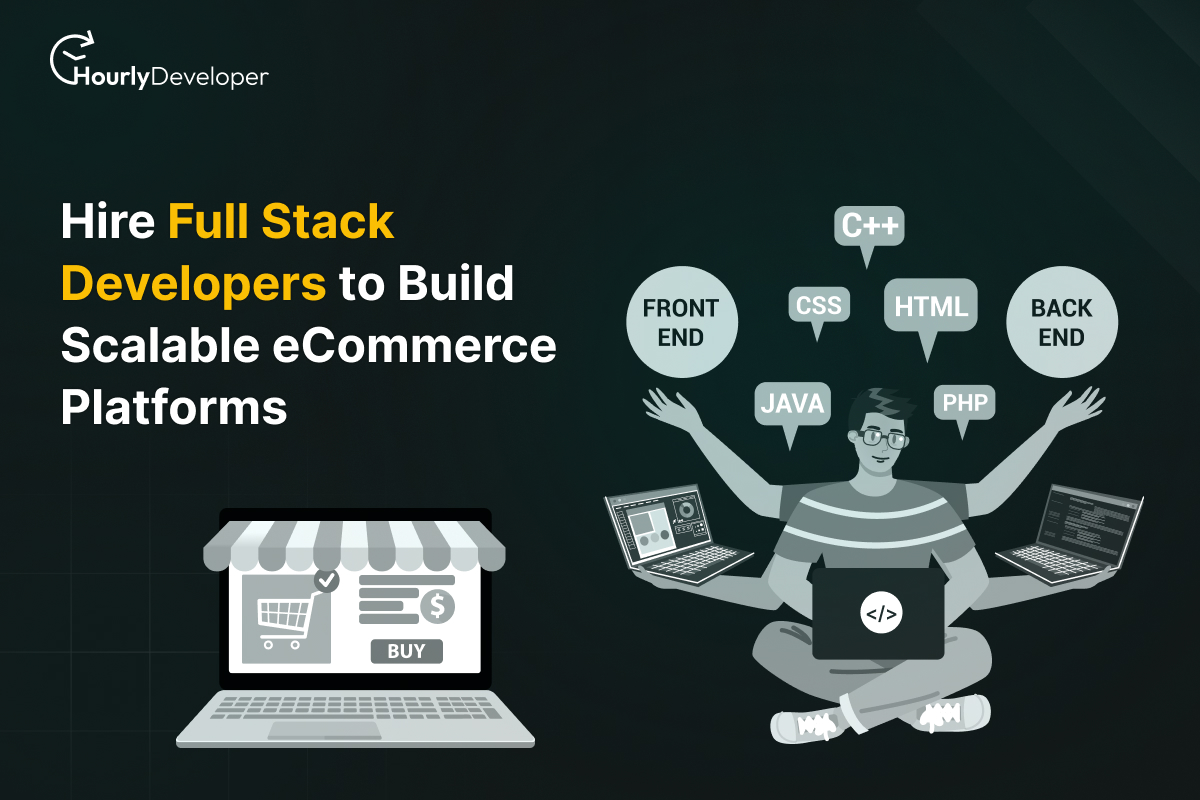
1.Who Are Full Stack Developers?
Full Stack Developers are professionals who can work on both the front-end and back-end parts of a web application. In simple words, they’re the “all-rounders” of web development — capable of designing how a website looks to users and also managing how it functions behind the scenes.
Here’s a breakdown of what they do:
- Frontend (Client Side):
This is the part users see and interact with — like buttons, menus, and product pages. Full stack developers use technologies such as HTML, CSS, and JavaScript (along with frameworks like React, Angular, or Vue.js) to create clean, responsive, and user-friendly interfaces.
- Backend (Server Side):
This is the “engine” that powers the website — handling logic, databases, user authentication, and APIs. Full stack developers work with technologies like Node.js, Python, PHP, Java, or Ruby on Rails to ensure the system runs smoothly.
- Database Management:
They design and maintain databases (like MySQL, MongoDB, or PostgreSQL) to store information such as user data, product details, and order history.
In an eCommerce platform, Full Stack Developers make sure that when a user clicks “Buy Now,” the button not only looks great but also triggers secure backend processes — updating stock, processing payment, and generating order confirmation seamlessly.
In short, when you Hire Full Stack Developers, you’re hiring experts who can handle everything from design to deployment, ensuring your web application or online store is fast, scalable, and secure.
2.Roles and Responsibilities of a Full Stack Developer in an eCommerce Platform
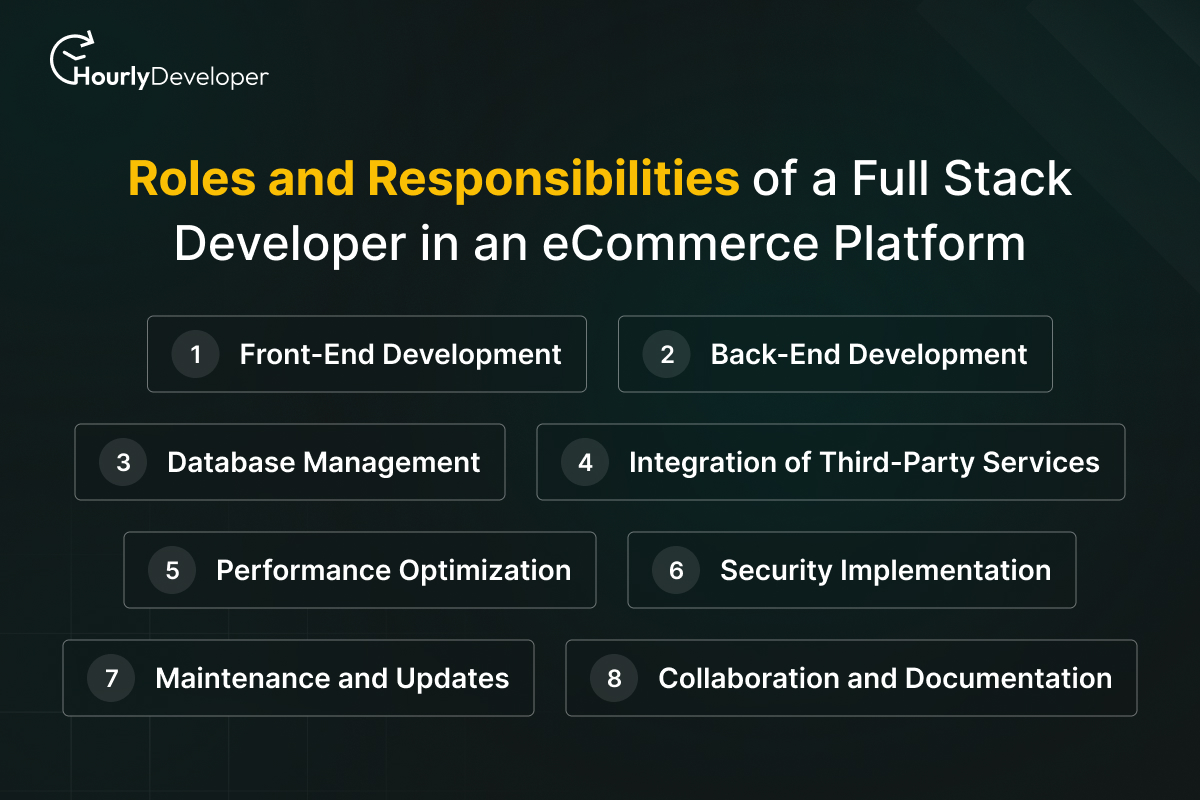
A Full Stack Developer plays a vital role in building, maintaining, and scaling an eCommerce platform. They handle both the front-end (user-facing side) and back-end (server and database) parts of the system to ensure everything works smoothly and efficiently.
1. Front-End Development
- Designing interactive, responsive, and user-friendly interfaces.
- Using HTML, CSS, and JavaScript frameworks (like React, Angular, or Vue) to create product pages, shopping carts, and checkout flows.
- Ensuring smooth navigation and consistent design across devices (mobile, tablet, desktop).
2. Back-End Development
- Building and managing servers, APIs, and databases that power the eCommerce site.
- Handling user authentication, order processing, and payment gateway integrations.
- Ensuring secure data storage and transaction management.
3. Database Management
- Creating and optimizing databases for storing products, customer data, and order history.
- Implementing efficient queries for faster search and retrieval of information.
- Maintaining data accuracy and backup systems.
4. Integration of Third-Party Services
- Connecting payment gateways (like PayPal, Stripe, Razorpay).
- Integrating shipping APIs, inventory systems, and CRM tools.
- Managing product recommendations, analytics, and marketing integrations.
5. Performance Optimization
- Reducing page load times and improving site speed.
- Implementing caching, image optimization, and CDN integration.
- Monitoring performance metrics to handle high traffic during sales or festivals.
6. Security Implementation
- Protecting customer and transaction data through encryption and secure protocols.
- Preventing vulnerabilities like SQL injections, cross-site scripting, or data leaks.
- Managing secure login and access control mechanisms.
7. Maintenance and Updates
- Fixing bugs, applying updates, and enhancing features based on user feedback.
- Ensuring smooth platform operation even as traffic or products grow.
- Testing new features and ensuring backward compatibility.
8. Collaboration and Documentation
- Working with designers, testers, and marketers to align technical work with business goals.
- Writing clear documentation for APIs, workflows, and system structures.
- Participating in regular code reviews and sprint meetings.
3.Anatomy of a Scalable eCommerce Platform
Scalability is more than just adding new features; it’s about making sure your website performs well even during high traffic. Imagine running a sale and your website crashes just when hundreds of customers are trying to buy — that’s every business owner’s nightmare.
A scalable eCommerce platform should handle:
- Traffic spikes during sales or festive seasons
- Fast loading times for better user experience
- Secure payment processing for thousands of users
- Smooth inventory management without errors
When you Hire eCommerce Developers or Hire Full Stack Developers, they ensure your website can expand without performance issues. They design using modular architecture, APIs, and cloud-based infrastructure so that your site can grow as your business grows.
Technologies like microservices and cloud hosting help in achieving scalability. With a well-designed system, your eCommerce business stays fast, stable, and ready for future growth.
4.The Business Value of Hiring Full Stack Developers
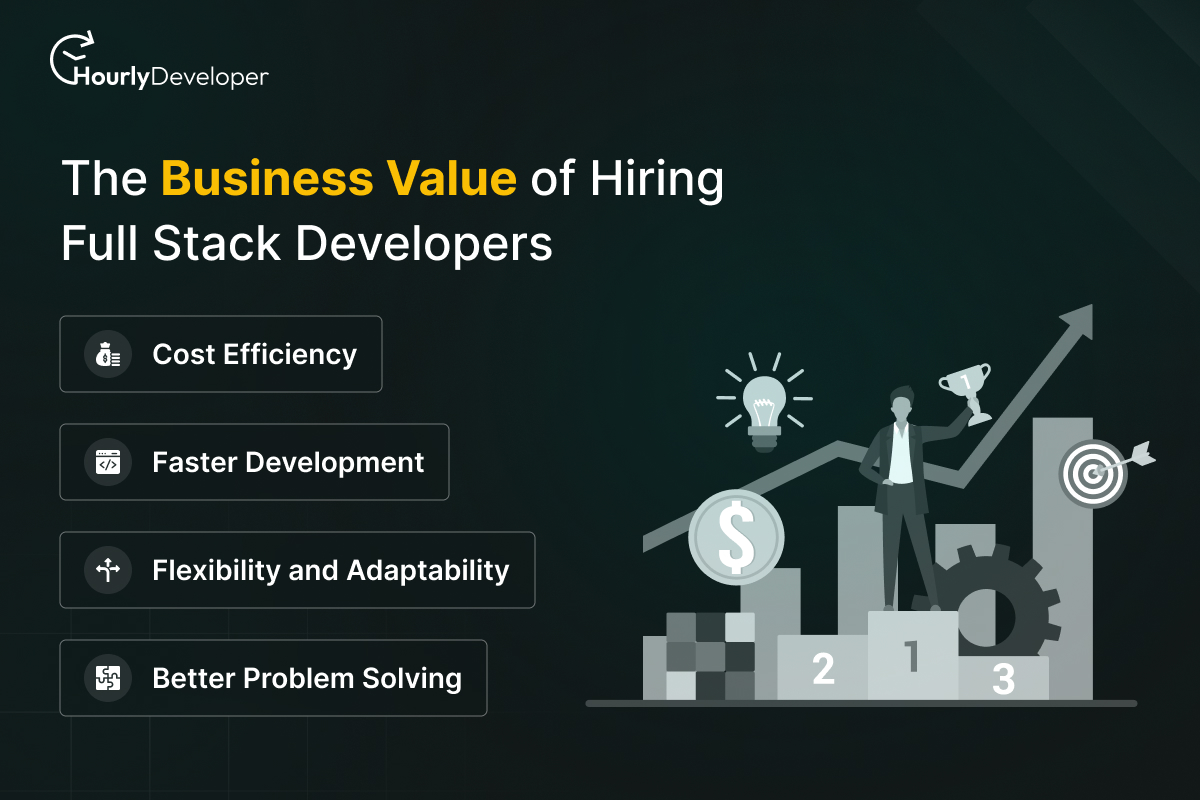
Hiring full stack developers isn’t just about coding — it’s a strategic investment. Here’s why:
- Cost Efficiency:
Instead of hiring separate front-end and back-end teams, full stack developers can manage both sides, reducing costs significantly.
- Faster Development:
Because one person understands the entire system, communication is smoother, and development happens faster.
- Flexibility and Adaptability:
Full stack developers can easily switch between tasks, from fixing a UI issue to optimizing database queries.
- Better Problem Solving:
They see the big picture, understand dependencies, and find balanced solutions.
When companies Hire Dedicated Developers India, they benefit from world-class skills at affordable prices. Indian developers are known for their technical expertise, communication, and adaptability — perfect for global eCommerce businesses looking to scale efficiently.
5.Key Skills to Look for in a Full Stack Developer for eCommerce
If you’re planning to Hire Full Stack Developers, make sure they have the following key skills:
- Frontend Expertise: Knowledge of HTML, CSS, JavaScript, and frameworks like React or Angular.
- Backend Mastery: Familiarity with Node.js, Python, or PHP to manage server-side operations.
- Database Knowledge: Understanding of both SQL and NoSQL databases.
- API Integration: Ability to connect payment gateways, shipping systems, and third-party apps.
- Cloud Deployment: Experience deploying and managing applications on AWS, Azure, or Google Cloud.
- Security Awareness: Understanding of data protection, SSL certificates, and secure coding practices.
- Soft Skills: Problem-solving mindset, communication, and ability to collaborate with designers and marketers.
These skills ensure that your developers can build a complete and future-proof eCommerce solution from start to finish.
6.Full Stack Tech Stack for Scalable eCommerce
Choosing the right technology stack is one of the most important steps when building a scalable online store.
Here are some popular options:
- MERN Stack: MongoDB, Express.js, React, Node.js — ideal for modern, high-performance applications.
- MEAN Stack: MongoDB, Express.js, Angular, Node.js — great for single-page apps.
- LAMP Stack: Linux, Apache, MySQL, PHP — a traditional and stable setup.
- Django + React: A powerful combo for fast and secure development.
A Full Stack Development Company can help you decide which stack suits your business best, based on your goals, product range, and expected traffic.
Real-World Benefits: Why eCommerce Businesses Choose Full Stack Teams
Full stack teams are the backbone of successful eCommerce businesses. Here’s why many brands prefer them:
- End-to-End Ownership: One team handles everything from concept to deployment.
- Better Coordination: No delays between frontend and backend developers.
- Faster Updates: Easier to roll out new features or make design changes quickly.
- Improved Maintenance: Full stack developers can diagnose and fix issues faster.
For instance, when a global retailer decided to revamp its online store, they chose to Hire Web Developers from India who specialized in full stack technologies. The result? A 40% improvement in site performance and a 25% rise in conversion rates.
When you Hire Dedicated Developers India, you gain not just talent but commitment — professionals who align with your business vision.
7.Common Mistakes to Avoid When Hiring Full Stack Developers
Hiring the wrong person or team can cost you time and money. Avoid these mistakes:
- Focusing Only on Price: Cheap doesn’t always mean good. Balance cost with expertise.
- Ignoring Technical Compatibility: Make sure their tech stack matches your project.
- Skipping Security Experience: eCommerce platforms handle sensitive data — never compromise on security.
- Not Checking Past Projects: Always review their portfolio or ask for references.
- Overlooking Communication Skills: Clear communication is vital for timely delivery.
When you Hire eCommerce Developers, look for those who understand both the technical and business sides of eCommerce.
8.Steps to Hire the Right Full Stack Developers
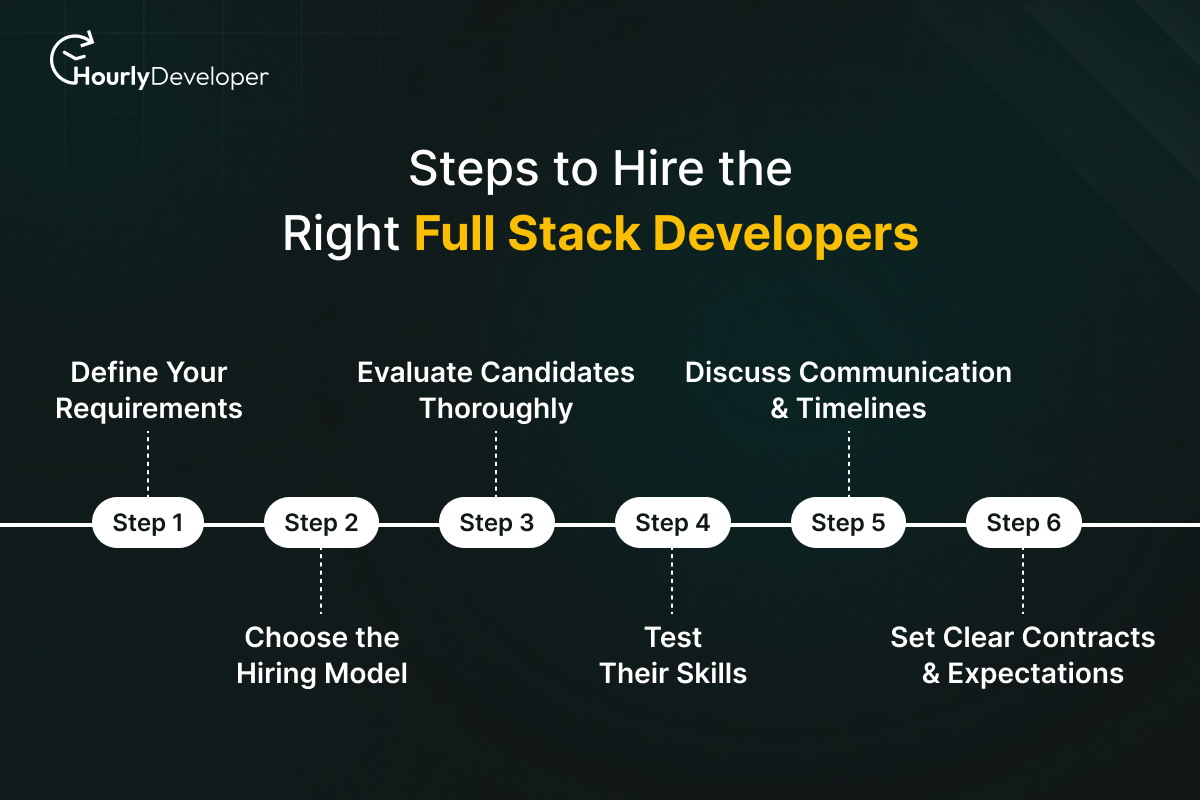
Hiring the right team or professional to build your eCommerce platform can make all the difference between success and frustration. Here’s a step-by-step guide to help you find the best talent for your project.
1. Define Your Requirements
Start by clearly outlining what you want to achieve.
- What kind of eCommerce platform are you building — a marketplace, a B2C store, or a subscription-based site?
- What features are essential — product listings, payment gateways, reviews, loyalty programs, or AI chatbots?
- Who is your target audience, and what devices or regions are you focusing on?
The clearer your goals, the easier it becomes to communicate your expectations to developers. This also helps you shortlist professionals who have worked on similar projects before.
2. Choose the Hiring Model
Next, decide how you want to hire your development team.
- In-House Team: Ideal if you plan long-term development and want complete control over operations.
- Freelancers: Suitable for small, short-term projects or when you need quick fixes.
- Development Partner / Agency: Best for businesses that want end-to-end services, from design to deployment, without managing everything themselves.
If you want high-quality talent at a reasonable cost, many companies prefer to Hire Dedicated Developers India through a trusted Full Stack Development Company. You get access to skilled professionals who work exclusively for your project — just like an in-house team but with greater flexibility and lower cost.
3. Evaluate Candidates Thoroughly
Once you have potential candidates, take time to evaluate their expertise.
- Check their resumes, GitHub repositories, LinkedIn profiles, and past projects.
- Look for real-world eCommerce experience — projects that involve payment systems, scalability, or multi-user functionality.
- Ask for client testimonials or case studies to understand their work quality and reliability.
You can also involve your technical consultant or CTO to verify their skills and see if they match your technology stack.
4. Test Their Skills
Before making any final decision, always test practical abilities.
- Conduct technical interviews focused on the technologies your project needs (React, Node.js, PHP, etc.).
- Give them a small coding challenge or a mini-project related to eCommerce — for example, creating a product listing page with a shopping cart or an API integration.
- Evaluate how they approach problems, their code quality, and how efficiently they work.
Testing ensures you don’t just hire someone with good talk — you hire someone who can actually deliver.
5. Discuss Communication and Timelines
Clear communication is the backbone of successful collaboration.
- Discuss how often they’ll share updates — daily stand-ups, weekly reports, or milestone calls.
- Choose tools like Slack, Jira, or Trello for transparent project tracking.
- Set realistic deadlines and make sure both sides understand the expected delivery timeline.
This is especially important when working with offshore teams. Many businesses that Hire Web Developers or Hire Full Stack Developers from India find communication smooth when proper channels and schedules are established from the start.
6. Set Clear Contracts and Expectations
Finally, put everything in writing before work begins.
- Clearly define project scope, deliverables, timelines, and payment milestones.
- Include details about post-launch support, maintenance, and bug fixes.
- Make sure the contract covers intellectual property rights, confidentiality, and data protection clauses.
A transparent contract builds trust and prevents misunderstandings later. If you’re working with a Full Stack Development Company, they’ll usually provide a structured agreement that outlines all these aspects for your safety.
In short, when you take the time to plan, evaluate, and communicate clearly, hiring full stack developers becomes a smooth process. If you’re unsure, collaborating with a Full Stack Development Company can simplify this entire process, as they already have verified experts ready to start.
9.Collaboration Models: Freelancers vs Agencies vs Dedicated Teams
When you plan to build or scale an eCommerce platform, choosing how to hire developers is just as important as choosing who to hire. The collaboration model you select determines how your project is managed, how much control you have, and how efficiently your goals are met.
Here are the three most common collaboration models — each with its pros, cons, and ideal use cases.
1. Freelancers
Freelancers are independent developers who work on a project-to-project basis. They are often a good choice for small, short-term tasks such as fixing bugs, updating website designs, or adding minor features.
Advantages:
- Cost-effective and flexible — you only pay for the work you need.
- Quick to hire and start — no lengthy onboarding process.
- Access to a wide range of specialized skills on freelance platforms.
Drawbacks:
- Limited commitment — they may be handling multiple projects at once.
- Lack of continuity — if they leave mid-project, it’s hard to replace them quickly.
- You’ll need to manage communication, timelines, and quality on your own.
Freelancers are best for startups or small businesses looking for fast solutions without long-term engagement. However, for a large-scale or growing eCommerce platform, depending only on freelancers can lead to inconsistent performance and slower progress.
2. Agencies
Agencies or Full Stack Development Companies operate as organized teams that handle all aspects of development — from design and coding to testing and maintenance. They have predefined processes, dedicated project managers, and quality control systems.
Advantages:
- Structured workflows and clear communication channels.
- Access to an entire team of experts — developers, designers, and QA testers.
- Better accountability and ongoing support after launch.
- Scalable resource allocation — you can increase or reduce manpower based on project needs.
Drawbacks:
- Higher cost compared to freelancers.
- Less flexibility in choosing individual developers.
- Time zone differences can sometimes cause delays in communication.
Agencies are ideal for medium to large-sized businesses that want reliable, end-to-end solutions without managing every small detail themselves. If you want a well-organized process and consistent output, partnering with a trusted Full Stack Development Company can be a smart move.
3. Dedicated Teams
A Dedicated Team model gives you a group of developers who work exclusively on your project, almost like your in-house staff — but they’re hired through a partner company. When you Hire Dedicated Developers India, you get skilled professionals who focus solely on your platform while the provider handles HR, infrastructure, and management logistics.
Advantages:
- Full control and transparency over the project’s progress.
- Developers work only for you — ensuring long-term consistency.
- Cost-effective compared to hiring a local in-house team.
- Easy scalability — you can expand or downsize your team as needed.
- Ideal for complex, ongoing projects like building and maintaining large eCommerce platforms.
Drawbacks:
- Requires proper onboarding and communication setup.
- Slightly higher initial coordination time compared to freelancers.
Dedicated teams are perfect for businesses planning to grow steadily and need a dependable technical backbone. Many global companies Hire Full Stack Developers or Hire eCommerce Developers from India under this model because it combines affordability, expertise, and stability.
10.Which Collaboration Model Should You Choose?
Your choice depends on your project size, budget, and goals:
- For small fixes or short-term tasks, go with freelancers.
- For end-to-end development with structured delivery, agencies are a great option.
- For long-term scalability and full control, dedicated teams offer the best value.
If your goal is to build a scalable eCommerce platform that grows with your business, choosing to Hire Dedicated Developers India through a reliable Full Stack Development Company gives you the right mix of quality, communication, and cost-efficiency.
11.Tools and Best Practices for Scalable eCommerce Development
Full stack developers rely on a variety of tools to build, test, and maintain platforms. Some popular ones include:
- Version Control: Git, GitHub, or Bitbucket for managing code changes.
- CI/CD: Jenkins, GitLab CI, or CircleCI for smooth deployment.
- Testing: Selenium, Jest, or Mocha for automated testing.
- Performance Monitoring: New Relic, Datadog, or Google Lighthouse.
- Security Tools: OWASP, SSL, and data encryption frameworks.
Best practices include writing clean code, documenting APIs, using caching, and performing load testing regularly. When handled by experts from a Full Stack Development Company, these practices ensure your eCommerce platform remains reliable under pressure.
12.How Full Stack Developers Future-Proof eCommerce Platforms
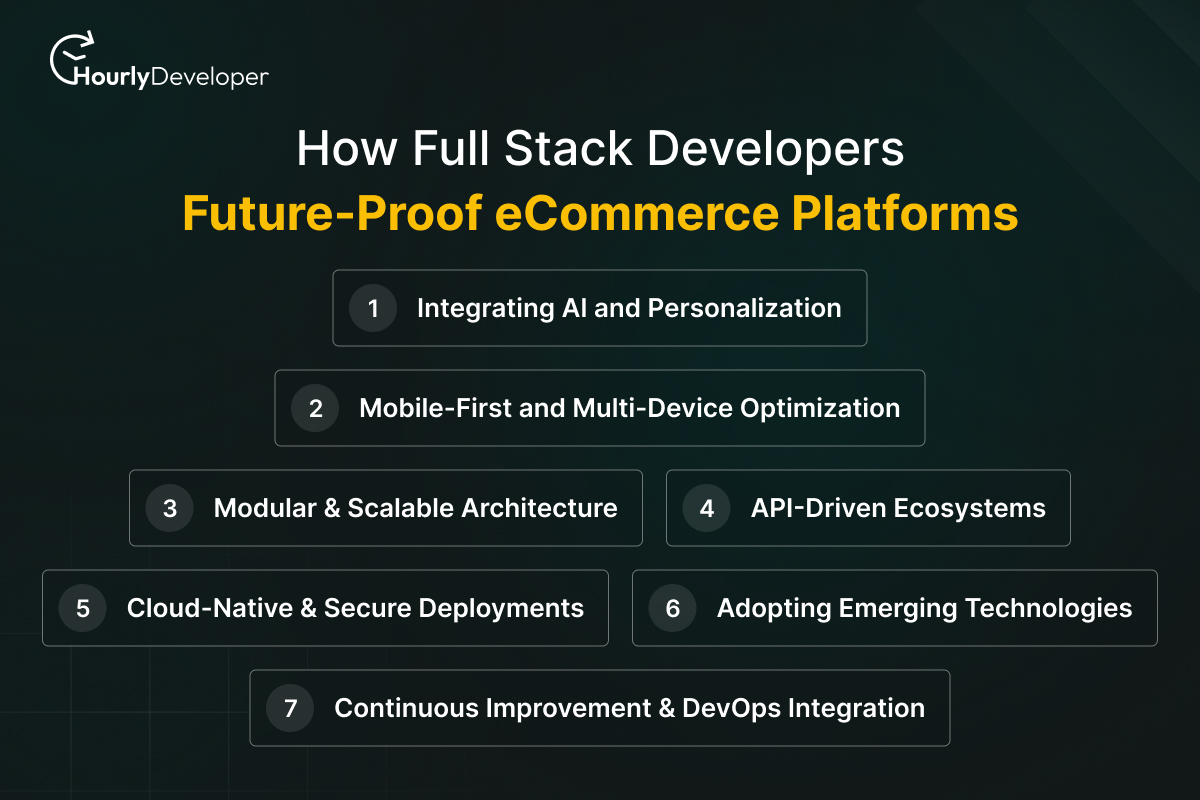
The future of eCommerce isn’t just digital — it’s intelligent, connected, and constantly evolving. As technology advances, online businesses must adapt quickly to shifting trends, user behaviors, and market expectations. That’s why Full Stack Developers play such a crucial role in future-proofing your eCommerce platform. They don’t just build for today — they architect for tomorrow.
Here’s how they make your platform ready for what’s next:
1. Integrating AI and Personalization
Tomorrow’s shoppers expect smart experiences. Full stack developers integrate AI-powered product recommendations, chatbots, and predictive analytics to make every user journey personalized and efficient. This helps businesses boost engagement and conversion rates while staying ahead of customer expectations.
2. Mobile-First and Multi-Device Optimization
With mobile commerce dominating global traffic, full stack experts ensure your eCommerce site works seamlessly across smartphones, tablets, wearables, and even smart TVs. They build responsive, mobile-first designs that load fast and adapt to any screen — ensuring no shopper is left behind.
3.Modular and Scalable Architecture
As your business grows, so should your platform. Full stack developers use modular architectures and microservices that make it easy to add or modify features without disrupting existing operations. Want to add a loyalty program or integrate a new payment gateway next year? It’s simple with modular design.
4. API-Driven Ecosystems
The future of digital commerce depends on connectivity. Full stack professionals create API-driven architectures that allow your platform to communicate effortlessly with CRMs, ERPs, marketing tools, logistics systems, and even IoT devices. This flexibility keeps your business agile and ready for integrations with any upcoming tech.
5. Cloud-Native and Secure Deployments
Scalability isn’t just about performance — it’s about reliability. Developers leverage cloud-based infrastructures like AWS, Azure, or Google Cloud to ensure high availability and automatic scalability during peak loads. They also embed robust data encryption, authentication, and security protocols to protect sensitive customer information.
6. Adopting Emerging Technologies
Full stack developers stay ahead of trends — experimenting with headless commerce, Web3 integrations, and voice-assisted shopping. By exploring these technologies early, they prepare your platform to adapt quickly when such innovations become mainstream.
7. Continuous Improvement and DevOps Integration
The best eCommerce platforms never stop evolving. With DevOps practices, full stack developers enable faster updates, automated testing, and real-time performance monitoring — ensuring your store stays modern, stable, and efficient at all times.
When you Hire Full Stack Developers, you’re investing in flexibility. They ensure your platform is ready for future trends like AR shopping, predictive analytics, and voice-based search.
13.The Cost Factor: Budgeting for Full Stack eCommerce Development
The cost of hiring developers varies based on project size, technology stack, and location.
For example:
- Developers in North America may charge $80–$150 per hour.
- Developers in Europe charge $60–$100 per hour.
- If you Hire Dedicated Developers India, rates range between $25–$50 per hour — offering excellent quality at a lower cost.
To optimize costs:
- Define your scope clearly.
- Choose the right hiring model (freelance, in-house, or dedicated team).
- Prioritize essential features first, then scale later.
Partnering with a Full Stack Development Company can help you balance quality and affordability while maintaining scalability.
14.Future Trends in eCommerce Full Stack Development
The future of eCommerce is being shaped by technology. Here are some trends full stack developers are already embracing:
- Headless Commerce: Separating frontend and backend for more flexibility.
- JAMstack Architecture: For faster and more secure web performance.
- AI Integration: Smarter recommendations and automated support.
- Composable Commerce: Building block-based systems for custom scalability.
- Web 3.0 and AR/VR: Virtual try-ons and decentralized data for user trust.
When you Hire Web Developers or Hire Full Stack Developers, choose those who stay ahead of these innovations — because the tools they use today will define your success tomorrow.
15.Conclusion: Why Investing in Full Stack Talent is a Smart Move
Building an eCommerce platform isn’t just about setting up an online store — it’s about creating a system that can handle growth, security, and customer satisfaction.
When you Hire Full Stack Developers, you get professionals who understand every layer of web development — from design to deployment. They help you build a scalable, secure, and high-performing platform that grows with your business.
Whether you decide to Hire Dedicated Developers India for cost efficiency or partner with a Full Stack Development Company for full-service expertise, the goal remains the same — to create a future-ready eCommerce experience that your customers love.
 Back to Blog